
The InfiniTea GrimoireInfiniTea Apothecary

cultural lineage

Tea Ceremonies & Living Traditions

Eight windows into the ways people prepare, share and understand tea and botanical beverages. From trained tea arts to a daily welcome, each practice belongs to living communities with their own histories and variations.

This page documents traditions for learning. It does not claim that every custom is a formal ceremony, reproduce protected observances, or transform ancestral knowledge into an original InfiniTea ritual.

Collection 01

Formal tea arts & inherited knowledge

Tea can be a studied art with skilled hosts, objects, conventions and a history of transmission. Practices vary by region, community and school.

China · Tea arts & social practices

Chinese tea preparation and sharing

Chinese tea traditions encompass cultivation, picking, processing, brewing and offering tea, including family hospitality and ceremonial occasions. UNESCO recognizes the diversity of these practices, not one universal “Chinese tea ceremony.”

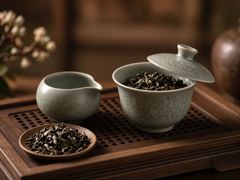
Gongfu-style brewing, associated with particular Chinese tea cultures, uses concentrated leaf-to-water ratios and successive infusions. That approach is one strand within a much wider living tea landscape.

Japan · Formal tea ceremony

Chanoyu · The Japanese way of tea

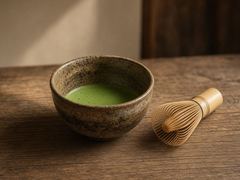
Chanoyu (also called sadō or chadō) centers on preparing and presenting matcha to guests. The host’s attention to utensils, season, setting and movement forms part of the practice.

Matcha is finely ground tea leaf whisked with water rather than a whole-leaf infusion. Different schools teach precise procedures; this introduction describes the tradition rather than offering a script for performing it.

Collection 02

Hospitality & communal tea service

These preparations may be ceremonial on some occasions and ordinary daily hospitality on others. Household and regional variations matter.

Morocco · Maghreb · Hospitality ritual

Atay · Moroccan mint tea

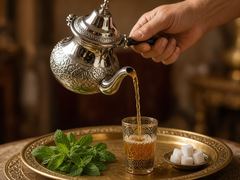
Moroccan atay is closely associated with welcoming guests and spending time together. Green tea, mint and sugar are familiar elements; a practiced high pour into small glasses gives the service a distinctive visual character.

Spearmint is prominent in many versions, while regional households may use other herbs or flowers. The national tourism account describes a recognized tea ceremony, not a single fixed recipe for every Moroccan home.

Argentina · Southern Cone · Social tea practice

Mate · Shared or solitary

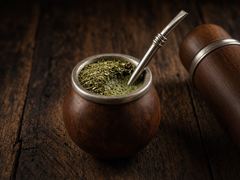
Yerba mate is prepared with processed Ilex paraguariensis leaves and generally consumed through a filtered straw called a bombilla. A cebador may prepare and refill it when a group shares a vessel.

Argentina’s cultural inventory explicitly records both solitary drinking and passing mate in a circle. Social meaning should not erase regional differences or individual practice.

Explore the botanicals

Yerba mate

Documentation

Argentina Ministry of Culture · Mate

Paraguay · UNESCO-listed living heritage

Tereré · Pohã ñana knowledge

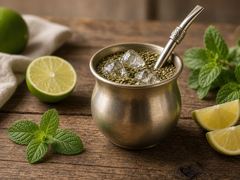
Paraguayan tereré uses cold water and yerba mate; in the UNESCO-recognized practice, crushed pohã ñana herbs are prepared with the water and passed on through family knowledge.

UNESCO describes relationships of friendship, dialogue and shared time around the drink. These cultural practices belong to their knowledge bearers; the InfiniTea archive presents them for study, not as a branded ceremony to reproduce.

Explore the botanicals

Yerba mate

Documentation

UNESCO · Tereré and pohã ñana

Collection 03

Daily beverage traditions & heritage craft

Not every meaningful tea practice is a formal ceremony. Culinary routines and specialist craft also carry histories worthy of their own category.

India · South Asia · Daily tea tradition

Masala chai · Household and street-side variations

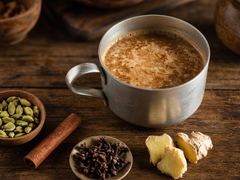
Masala chai commonly brings black tea together with milk, sweetener and selected spices. Ginger, cardamom, cinnamon, cloves and pepper are familiar possibilities, but the combination and intensity vary across regions and kitchens.

Chai means tea in many South Asian languages, and daily chai service should not be presented as one fixed or universally sacred ceremony. Its character lies partly in the diversity of preparation and social setting.

Mexico · Everyday botanical refreshment

Agua de Jamaica · Roselle calyx infusion

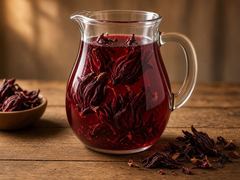
Agua de Jamaica is a widely enjoyed Mexican agua fresca prepared from roselle’s tart, red calyces, typically sweetened and served cool. A historical account recorded jamaica drinks in Guadalajara markets at the end of the nineteenth century.

This is a culinary and social beverage tradition, not a formal religious tea ceremony. Roselle is distinct from generic ornamental hibiscus flowers, and its presence in a drink does not establish health effects.

Fuzhou · Fujian, China · Heritage tea-making craft

Fuzhou jasmine tea scenting

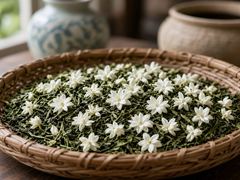
In Fuzhou, tea makers combine processed green tea leaves with freshly prepared jasmine blossoms so the tea acquires their fragrance. Specialized timing and handling are central to this transmitted craft.

Scented jasmine tea is not necessarily a drink made from the flowers themselves. The heritage concerns skill in growing, selecting and scenting tea; it should be acknowledged as craft, not mislabeled as a standalone ceremony.

InfiniTea Apothecary · Private research archive · Not approved public website copy