
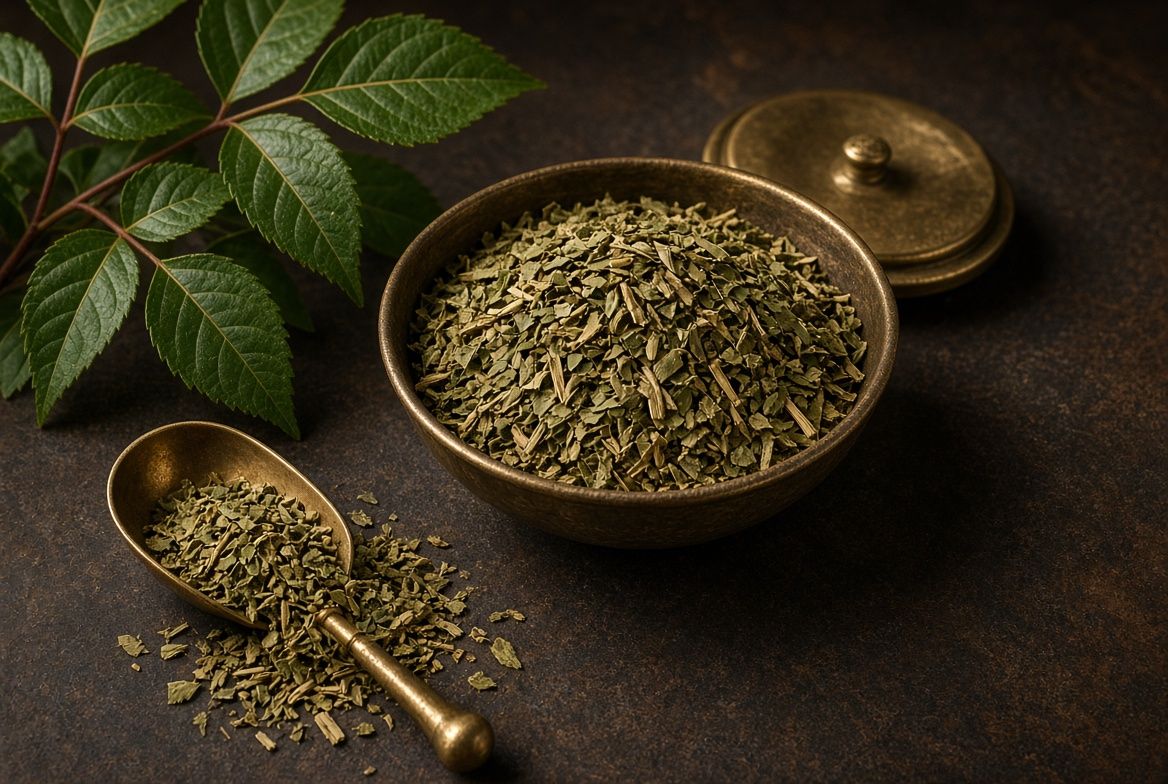
Botanical Identity & Classification
Accepted Scientific Name & Taxonomic Authority: The accepted botanical name for yerba mate is Ilex paraguariensis A.St.-Hil., published by Auguste de Saint-Hilaire in Mémoires du Muséum d'Histoire Naturelle 9: 351 (1822) and verified as an accepted species in both Royal Botanic Gardens, Kew (Plants of the World Online) and World Flora Online. It belongs to the family Aquifoliaceae and the cosmopolitan holly genus Ilex Tourn. ex L., which encompasses 570 accepted species in Kew's current global checklist (Kew Genus Ilex Record; American Botanical Council HerbalGram). Linnaeus adopted the generic name Ilex—historically applied to the Mediterranean holly oak (Quercus ilex, Fagaceae)—in reference to the glossy, coriaceous foliage characteristic of many hollies (American Botanical Council HerbalGram).
Botanical Synonymy & Infraspecific Taxa: Nineteenth- and twentieth-century taxonomic treatments generated 22 synonyms now subsumed under Ilex paraguariensis A.St.-Hil., including Ilex mate A.St.-Hil., Ilex bonplandiana Münter, Ilex congonhas Liais, Ilex curitibensis Miers, Ilex domestica Reissek (and var. glabra Reissek), Ilex paraguayensis Hook., Ilex sorbitis Reissek, Ilex paraguariensis f. sorbilis (Reissek) Loes., Ilex theaezans Bonpl. ex Miers, and multiple varieties and forms described by Martius, Reissek, Chodat, and Loesener (var. acutifolia, var. angustifolia, var. euneura, var. guaranina, var. latifolia, var. ulei, f. confusa, f. dasyprionata, f. domestica, f. latifolia, f. microphylla, and f. parvifolia) (World Flora Online). Kew treats Ilex paraguariensis var. latifolia Reissek (1861) as a heterotypic synonym of the autonymic variety Ilex paraguariensis var. paraguariensis (Kew Infraspecific Record).
Vernacular Nomenclature & Common-Name Ambiguity: Across Tupí-Guaraní languages, the plant is named ka'a (or ka'á), literally meaning "a plant" or "an herb," signifying its preeminent place as the quintessential botanical of Guaraní forest life (eCAM Paraguayan Folk Medicine Study; UNESCO Tentative List 6612). In Spanish it is called yerba mate or mate, and in Brazilian Portuguese erva-mate, chimarrão (hot green gourd infusion), or chá-mate (roasted leaf infusion) (Palavicini et al. 2025, Journal of Food Science; Kaltbach et al. 2021, Separations). Ethnobotanical literature notes that Spanish mate derives from the Quechua word mati, denoting the gourd or porongo vessel in which the infusion is traditionally served, reflecting early pre-colonial and colonial interethnic exchange networks (Andrade et al. 2021, Journal of Ethnobiology and Ethnomedicine). Historical European commerce frequently labeled the commodity "Paraguayan tea," "Jesuit tea," or "St. Bartholomew's tea," creating persistent common-name confusion with true tea, Camellia sinensis (L.) Kuntze (Theaceae), to which Ilex paraguariensis is taxonomically unrelated (eCAM Paraguayan Folk Medicine Study).
Exact Plant Part Used: Regulatory and culinary specifications diverge on stem inclusion. In European pharmacopoeial herbal medicine, Mate folium consists strictly of the dried, comminuted leaf of Ilex paraguariensis complying with French Pharmacopoeia (Mate vert) and German Drug Codex (DAC) standards (European Medicines Agency Monograph; EMA Mate folium Dossier). In South American beverage manufacture, harvested leafy shoots are dried and milled into graded proportions of fragmented leaf blade (hoja), fine leaf powder (polvo/gum), and slender woody stems and petioles (palo); under Brazil's ANVISA Resolution RDC No. 302/2002, commercial erva-mate typically contains approximately 70% leaves and 30% fine stems (Palavicini et al. 2025, Journal of Food Science). Ripe drupes (berries), roots, and coarse trunk bark are not culinary beverage parts.
Distinction from Poisonous Hollies, Congeneric Adulterants & Other Beverage Hollies: Because English "holly" spans 570 species, strict botanical authentication is mandatory: 1. Poisonous Temperate Hollies: The most common landscape hollies in North America and Europe—English holly (Ilex aquifolium) and American holly (Ilex opaca)—are poisonous throughout; their berries and stiff, sharp-spined leaves contain saponins (including a leaf saponin with in vitro hemolytic activity), alkaloids such as ilicin, cyanogens, steroids, polyphenols, and methylxanthines such as theobromine (National Capital Poison Center). Ingestion causes nausea, vomiting, abdominal pain, and diarrhea that can progress to dehydration and electrolyte abnormalities, while rigid leaf spines can lacerate or puncture the mouth, throat, skin, and gastrointestinal tract (National Capital Poison Center). 2. South American Congeneric Adulterants & Wild-Harvest Lookalikes: Commercial yerba mate in Brazil, Paraguay, and Argentina has historically been substituted or adulterated with co-occurring South American Ilex species—including Ilex dumosa (especially Ilex dumosa var. dumosa), Ilex brevicuspis, Ilex theezans, Ilex argentina, Ilex integerrima, Ilex microdonta, Ilex pseudobuxus, and Ilex taubertiana—and occasionally contaminated during wild collection with leaves of cassava (Manihot esculenta, Euphorbiaceae) or juçara palm (Euterpe edulis, Arecaceae) (American Botanical Council HerbalGram). Several congeneric substitutes, notably Ilex brevicuspis, lack methylxanthines entirely; absence of caffeine/theobromine on chromatographic screening signals substitution rather than authentic Ilex paraguariensis (American Botanical Council HerbalGram). 3. Other Authentic Beverage Hollies (Not Adulterants, Not Yerba Mate): Three other Ilex taxa sustain distinct traditional tea cultures and must not be conflated taxonomically, culturally, or energetically with yerba mate (Gan et al. 2018, Nutrients).
| Beverage & Accepted Taxon | Native & Cultural Region | Methylxanthine Profile | Principal Polyphenols & Distinguishing Notes |
|---|---|---|---|
| Yerba Mate (Ilex paraguariensis A.St.-Hil.) | Subtropical South America (Brazil, NE Argentina, Paraguay, Uruguay) (World Flora Online) | Caffeine (0.3%–1.8% dry weight; up to 2.2% in tested commercial cuts) > theobromine > trace theophylline (Palavicini et al. 2025; Najman et al. 2024) | ~90% hydroxycinnamic acid derivatives (3-CQA, 5-CQA, 4-CQA, 3,5-diCQA) and ~10% flavonols (rutin), plus up to 4% foam-forming triterpene saponins (Gan et al. 2018; Palavicini et al. 2025). |
| Guayusa (Ilex guayusa Loes.) | Western Amazonia (Indigenous Amazonian household and morning infusions) (Gan et al. 2018) | High caffeine with minor theobromine (Gan et al. 2018) | Rich in mono- and di-caffeoylquinic acids (5-O-CQA ~24 mg/g, 3,5-diCQA ~16 mg/g dry matter); distinct Amazonian species and smoother tannin profile (Gan et al. 2018). |
| Yaupon Holly (Ilex vomitoria Aiton) | Southeastern North America (Indigenous North American beverage tradition) (Gan et al. 2018) | Variable caffeine (0%–1.91% dry weight, strongly influenced by nitrogen nutrition), theobromine, theophylline (Gan et al. 2018) | Mono- and di-caffeoylquinic acids (~70% of polyphenols) with high rutin and kaempferol 3-rutinoside; the sole native caffeinated holly of North America (Gan et al. 2018). |
| Large-Leaved Kudingcha (Ilex kudingcha C.J.Tseng; Ilex latifolia Thunb.) | Southern & eastern China and Southeast Asia (Gan et al. 2018) | Comparatively low purine alkaloids relative to extreme phenolic/saponin bitterness (Gan et al. 2018) | Exceptionally high caffeoylquinic acids (~97 mg/g average across genotypes; TPC up to 188 mg GAE/g in I. latifolia); Chinese bitter medicinal tea unrelated to Guaraní ka'a (Gan et al. 2018). |
Botanical & Scientific Profile
Morphology, Native Distribution & Agronomic Chemotypes: Ilex paraguariensis is a long-lived, functionally dioecious (male and female flowers borne on separate individuals) evergreen shrub or understory tree (American Botanical Council HerbalGram). Taxonomic checklists record its native distribution across Brazil (Paraná, Rio Grande do Sul, Santa Catarina, Minas Gerais, São Paulo, Mato Grosso do Sul, Distrito Federal, and Bahia), northeastern Argentina, Paraguay, and Uruguay (World Flora Online; Kew Species Record); secondary herbal profiles also note occurrence in Bolivia (American Botanical Council HerbalGram). Natural stands grow primarily at 305 to 610 meters (predominantly above 400 meters) on humus-rich or alluvial soils as an understory associate of emergent Paraná pine (Araucaria angustifolia, Araucariaceae), though Indigenous coastal transplants have established localized individuals in lower-elevation Atlantic Dense Ombrophilous Forest (American Botanical Council HerbalGram; Andrade et al. 2021). Wild forest trees reach 16 to 35 meters, whereas cultivated trees are pruned to 3.7 to 9.1 meters (American Botanical Council HerbalGram).
Cultivar, Sex & Shade-versus-Sun Phytochemical Variation: Leaf chemistry varies substantially by cultivar, light exposure, tree sex, and harvest interval. Modern breeding programs in southern Brazil have selected named cultivars—including Cambona-4, BRS 408, BRS 409, BRS BLD Yari, BRS BLD Aupaba, and SCSBRS Caa Rari—for yield, pest resilience, and sensory mildness (Palavicini et al. 2025, Journal of Food Science). Full-sun monoculture accelerates vegetative biomass and stimulates accumulation of light-protective polyphenols and xanthines, often yielding more bitter, astringent infusions while demanding heavier fertilizer and phytosanitary inputs (Palavicini et al. 2025, Journal of Food Science). Conversely, shaded forest-understory and agroforestry cultivation preserves genetic diversity and produces milder, more complex cup profiles prized by traditional drinkers (Palavicini et al. 2025, Journal of Food Science).
Industrial & Artisanal Processing Transformations: Post-harvest manufacture comprises four sequential stages that reshape raw leaf chemistry: 1. Sapeco (zapecado / flash-blanching): Freshly cut leafy branches pass briefly (roughly 2 to 3 minutes at 500 to 600 °C) through direct flame or heated rotary drums to burst epidermal moisture and inactivate polyphenol oxidase and peroxidase enzymes, preventing enzymatic oxidation and locking in bright chlorophyll greenness (Najman et al. 2024, Molecules; Palavicini et al. 2025, Journal of Food Science). 2. Secado (drying): Moisture is reduced either in traditional Jesuit-era barbacuá wood-fired smoke chambers—which deposit aromatic guaiacols alongside undesirable polycyclic aromatic hydrocarbons (PAHs)—or via modern indirect hot-air belt and rotary dryers (UNESCO Tentative List 6612; Golozar et al. 2012, Environ Sci Technol). Comparative analyses show that sapeco-treated green mate retains roughly 1.3 times higher polyphenol and flavonoid content than unblanched air-dried mate, whereas unblanched air-dried mate retains roughly twice the methylxanthine concentration (Palavicini et al. 2025, Journal of Food Science). 3. Cancheamento & Sieving: Dried material is coarsely crushed (cancheada) and subsequently milled and fractionated into regional leaf, powder, and stem specifications (Palavicini et al. 2025, Journal of Food Science). 4. Estacionamiento (aging) or Roasting: Brazilian chimarrão is packaged promptly without extended maturation to preserve volatile monoterpenes, whereas Argentine and Paraguayan styles undergo controlled warehouse aging—typically 1 year in climate-controlled chambers or up to 2 years in traditional barbacuá production—to mellow harsh greenness (UNESCO Tentative List 6612; Kaltbach et al. 2021, Separations). Alternatively, dried green leaf is high-heat roasted to produce brown mate tostado / chá-mate, degrading thermally labile phenolic acids and green terpenes while leaving caffeine and theobromine largely intact (Palavicini et al. 2025, Journal of Food Science; Kaltbach et al. 2021, Separations).
| Constituent Class | Major Identified Molecules | Quantitative Range & Infusion Yield | Gastrointestinal Bioaccessibility & Stability |
|---|---|---|---|
| Purine Alkaloids (Methylxanthines) | Caffeine (~90% of purine alkaloids), theobromine, trace theophylline (Gan et al. 2018; NIH LiverTox) | 0.3%–1.8% dry weight (up to 0.6%–2.2% in retail cuts); ~78–196 mg caffeine per 500 mL serving; ~100–300 mg/day across 1–2 L intake (Palavicini et al. 2025; Najman et al. 2024) | Highly stable through roasting and simulated human digestion (~45%–80% bioaccessible across infusion and extract matrices) (Palavicini et al. 2025). |
| Hydroxycinnamic / Caffeoylquinic Acids | 3-CQA (chlorogenic), 5-CQA (neochlorogenic), 4-CQA (cryptochlorogenic), 3,5-diCQA, 4,5-diCQA, p-coumaric and caffeic acids (Gan et al. 2018; Najman et al. 2024) | ~20–40 mg chlorogenic acids per 100 mL (~300–600 mg/day at 1–2 L intake); ~90% of total mate polyphenols (Palavicini et al. 2025; Gan et al. 2018) | Moderately degraded in digestion (~30%–70% surviving gastric/duodenal simulation); ~33% absorbed in the small intestine and ~67% delivered to colonic microbiota (Palavicini et al. 2025). |
| Flavonols & Flavones | Rutin (quercetin-3-rutinoside), quercetin-3-O-glycoside, kaempferol glycosides, myricetin, apigenin (Najman et al. 2024; Gan et al. 2018) | Rutin ~7.1%–7.8% of total polyphenols; mean total flavonoids 5.47 mg/g d.m. in 70/100 °C single brews (Gan et al. 2018; Najman et al. 2024) | Heat-sensitive at 100 °C (dropping from ~7.15 mg/g at 70 °C to ~3.79 mg/g at 100 °C in single brews); ~59% bioaccessible in simulated tea digestion (Najman et al. 2024; Palavicini et al. 2025). |
| Triterpene Saponins | Ursane- and oleanane-type glycosides (matesaponins) (Palavicini et al. 2025) | Up to 4% dry weight (Palavicini et al. 2025) | Amphiphilic surfactants generating persistent chimarrão foam and contributing bitter taste and experimental bile-acid/lipid modulation (Palavicini et al. 2025). |
Evidence Hierarchy — Preclinical vs. Human Clinical vs. Traditional Use: Extensive cell-culture and rodent experiments report antioxidant radical scavenging, suppression of NF-κB, TNF-α, and IL-6 signaling, pancreatic lipase inhibition, and hepatoprotective or antimicrobial effects from concentrated yerba mate extracts (Palavicini et al. 2025, Journal of Food Science). However, NIH clinical reviewers and food-science authorities emphasize that most mechanistic claims remain preclinical and have not been established in adequately powered human trials as therapies for any disease (NIH LiverTox). In small human trials—typically administering ~1 L/day infusion over 8 weeks or 3 g/day standardized extract over 12 weeks—investigators observed modest LDL-cholesterol reductions (up to 13% in hypercholesterolemic adults, including statin users) and acute caffeine-mediated alertness (Palavicini et al. 2025, Journal of Food Science). European Medicines Agency recognition of Maté folium for temporary fatigue/weakness (2–4 g daily) and adjuvant urinary-tract flushing (2.5–5 g daily) is classified strictly as traditional use based upon long-standing use, not clinical-trial proof (European Medicines Agency Monograph). Popular retail claims that yerba mate contains a unique non-caffeine alkaloid called "mateine" are chemically false: "mateine" is an obsolete synonym for caffeine.
Cultural History & Traditional Herbalism
Pre-Colonial Indigenous Stewardship & Early Archaeobotany: At the time of first European arrival around 1500, Tupí-Guaraní-speaking peoples across the Paraná, Paraguay, and Uruguay river basins were actively harvesting, managing, and consuming infusions of ka'a as a dietary staple, stimulant, medicinal infusion, and ritual plant (American Botanical Council HerbalGram; UNESCO Tentative List 6612). Archaeobotanical recovery of carbonized Ilex paraguariensis leaf micro-remains—found alongside coca (Erythroxylum coca), lemon verbena (Aloysia citrodora), and tobacco (Nicotiana spp.) inside a Lower Formative Period pipe from Catamarca, northwestern Argentina (650 BCE–500 CE)—points to ancient trans-regional exchange beyond the Atlantic Forest and early administration by aspiration/inhalation, a mode also recorded ethnographically among Tehuelche communities of Patagonia (American Botanical Council HerbalGram). Among contemporary Mbyá-Guaraní villages in southern Brazil and Misiones, Argentina, families continue to transport and exchange ka'a seedlings and distinct landraces—such as lighter-leaved Misiones varieties introduced into Rio Grande do Sul Indigenous lands—across kinship networks spanning more than 900 kilometers (Andrade et al. 2021, Journal of Ethnobiology and Ethnomedicine).
Colonial Río de la Plata Diffusion & Jesuit Agronomy: Following the Spanish conquest of Paraguay and the establishment of leaf-harvesting settlements in 1554, 1557, and 1576, ka'a rapidly became "green gold" across colonial Spanish, Creole, and Mestizo society (American Botanical Council HerbalGram; UNESCO Tentative List 6612). Beginning after 1578, Jesuit missionaries studied seed dormancy and domesticated wild forest stands into cultivated orchards within Guaraní mission towns (reducciones), contrasting with destructive wild-stand extraction under secular Spanish encomenderos (UNESCO Tentative List 6612; eCAM Paraguayan Folk Medicine Study). In his early eighteenth-century manuscript Materia Medica Misionera, the Jesuit brother Pedro de Montenegro placed yerba mate at the very top of essential Guaraní botanicals (eCAM Paraguayan Folk Medicine Study). After the Crown expelled the Jesuits in 1768, mission plantations gradually reverted to secondary forest, yet daily mate and tereré drinking remained foundational across Paraguay, Argentina, Uruguay, southern Brazil, and parts of Chile (eCAM Paraguayan Folk Medicine Study; Gan et al. 2018, Nutrients).
Southern Cone Folk Medicine, Companion Herbs & Transnational Diffusion: Within Paraguayan and northeastern Argentine Mestizo ethnomedicine, yerba mate operates primarily as a cultural and physiological conveyor for medicinal herbs (pohã ñana in Guaraní; yuyos in Río de la Plata Spanish) (eCAM Paraguayan Folk Medicine Study; UNESCO Intangible Cultural Heritage 01603). Field interviews with 100 Paraguayan migrants in Misiones (2014–2015) documented 97 companion plant species administered in yerba mate across 18 therapeutic categories—58 species exclusively in hot mate, 17 exclusively in cold tereré, and 22 in both—led in citation frequency or relative importance by Allophylus edulis, Aristolochia triangularis, Achyrocline flaccida, and Achyrocline tomentosa (eCAM Paraguayan Folk Medicine Study). In southern Brazil and Paraguay (though not traditionally in Argentina), leaves of espinheira-santa (Maytenus ilicifolia, Celastraceae) are blended directly into chimarrão or mate to counteract minor heartburn and stomach pain triggered by single-herb mate (American Botanical Council HerbalGram). Separately, Argentinian ethnomedical records describe aerial parts of Ilex paraguariensis used for galactagogue (lactation-promoting) and cicatrizant (scar-forming wound-healing) actions, and leaf infusions used for influenza-related symptoms and scurf (dandruff) (American Botanical Council HerbalGram). Beyond South America, late nineteenth- and twentieth-century Levantine return migration carried Argentine mate drinking to the Eastern Mediterranean, making Syria one of the largest import markets for Argentine yerba mate, while European phytotherapy adopted dried leaf infusions for temporary fatigue and mild diuresis (American Botanical Council HerbalGram; European Medicines Agency Monograph).
Cross-Cultural Boundaries (Traditions Without Documented Use): Ilex paraguariensis has no historical presence in Indigenous North American herbalism (where Southeastern nations instead prepared black drink and social teas from native Ilex vomitoria), classical Ayurveda, Traditional Chinese Medicine (where East Asian Ilex kudingcha and Ilex latifolia fill an unrelated bitter-tea niche), Unani/Persian medicine, West or Central African traditional pharmacopoeias, or Mexican curanderismo (Gan et al. 2018, Nutrients; World Flora Online).
Tradition, Folklore & Symbolism
Living Mbyá-Guaraní Cosmology & Ceremonial Respect: Within Mbyá-Guaraní villages (tekoá), the opy (ceremonial house) anchors communal prayer, chant, healing, child naming/baptism, and relationships with forest beings and deities (Andrade et al. 2021, Journal of Ethnobiology and Ethnomedicine). Ethnographic work co-authored with Mbyá-Guaraní community members documents that ka'á (Ilex paraguariensis)—alongside Guaraní white corn (Zea mays) and pety (Nicotiana tabacum)—is central to opening mental concentration, sustaining spiritual fortitude, and maintaining Guaraní culture, and is also combined with sacred cedar (Cedrela fissilis) in prayer-strengthened infusions and baths (Andrade et al. 2021, Journal of Ethnobiology and Ethnomedicine). Crucially, community co-authors note that spiritual and magical plant knowledge held within the opy is restricted and not widely shared outside the community (Andrade et al. 2021, Journal of Ethnobiology and Ethnomedicine). Accordingly, InfiniTea records this living Indigenous relationship with strict respect and never reproduces, imitates, or commercializes Guaraní opy ceremonies.
UNESCO-Inscribed Paraguayan Tereré & Shared Circle Etiquette: In 2020, UNESCO inscribed "Practices and traditional knowledge of Terere in the culture of Pohã Ñana, Guaraní ancestral drink in Paraguay" (Element 01603) on the Representative List of the Intangible Cultural Heritage of Humanity (UNESCO Intangible Cultural Heritage 01603). Passed down within Paraguayan families since approximately the sixteenth century, the practice pairs cold water mixed in a jug or thermos with mortar-crushed fresh or dried medicinal herbs (pohã ñana), poured into a glass pre-filled with yerba mate (or, in broader regional ethnography, a horn, wood, or gourd vessel) and sipped through a metal or cane bombilla (UNESCO Intangible Cultural Heritage 01603; eCAM Paraguayan Folk Medicine Study). UNESCO's nomination dossier highlights that preparing and sharing tereré follows intimate, pre-established social codes that foster inclusion, friendship, dialogue, respect, and intergenerational solidarity (UNESCO Intangible Cultural Heritage 01603).
Oral Origin Legends vs. Post-Colonial Literary & Modern Esoteric Inventions: Across Paraguay, Misiones, and southern Brazil, multiple folkloric narratives recount the origin of ka'a—ranging from Indigenous accounts of divine figures gifting the tree in gratitude for human hospitality to nineteenth- and twentieth-century criollo and plantation-era tales of Caá-Yarîi, portrayed as the female guardian spirit of the yerbales to whom mensú harvesters made pledges. Because published versions frequently blend Indigenous Guaraní motifs with colonial Christian imagery and modern regional literature, no single legend should be cited as uniform pre-Columbian scripture without community-specific attribution. Likewise, yerba mate does not appear in medieval or Renaissance European grimoires, Hermetic astrology, or Mediterranean folk magic; contemporary metaphysical tables assigning planetary rulers (such as Mars, Jupiter, or the Sun) or spellwork intentions to yerba mate are modern Western esoteric inventions rather than historical folklore.
Herbal Energetics
Insufficient documented evidence for a traditional energetic classification. Specifically, Ilex paraguariensis has no documented classical energetic entry in Ayurvedic pharmacology (rasa, virya, vipaka, or doshic action), Traditional Chinese Medicine materia medica (four natures, five flavors, or meridian tropism), Unani tibb, or historical European Galenic humoral degrees (World Flora Online; Gan et al. 2018, Nutrients). Energetic properties assigned in Chinese materia medica to East Asian kudingcha (Ilex kudingcha / Ilex latifolia, traditionally regarded in Chinese herbalism as bitter and strongly cooling) apply to those Asian species alone and cannot be transferred across species to South American Ilex paraguariensis (Gan et al. 2018, Nutrients).
Documented Latin American Hot/Cold Humoral Dynamics (Thermal Conveyor Role): Primary ethnopharmacological fieldwork among Paraguayan Mestizos in Misiones provides an unusually clear record of how Latin American hot/cold humoral medicine treats yerba mate (eCAM Paraguayan Folk Medicine Study). Informants did not classify Ilex paraguariensis leaf itself as intrinsically "hot" or "cold," nor did they view plain yerba mate as a standalone medicinal drug (only 1 of 100 informants reported using plain yerba mate medicinally) (eCAM Paraguayan Folk Medicine Study). Instead, the beverage's physical serving temperature and taste pairing govern humoral administration: - Hot mate acts as the warming vehicle for "hot" herbal remedies—predominantly bitter or pungent/sharp-flavored plants such as wormwood (Artemisia absinthium), rue (Ruta chalepensis), or chamomile (Matricaria chamomilla)—prescribed for "cold" syndromes, digestive chill, cramps, and women's reproductive complaints (eCAM Paraguayan Folk Medicine Study). - Cold tereré acts as the cooling vehicle for "cold" or refreshing remedies—including mints, lemongrass, Verbena species, and sour-tasting plants (such as Begonia cucullata, used exclusively in tereré)—prescribed for "hot" syndromes, ambient heat stress, hypertension, and kidney or urinary-tract inflammation (eCAM Paraguayan Folk Medicine Study).
Contemporary Western clinical herbalists sometimes describe yerba mate infusions informally as bitter, astringent, drying, and stimulating/warming due to their tannin and methylxanthine content, but this represents modern Western organoleptic description rather than an ancient energetic canon—and neither folk humoral classes nor Western organoleptic terms equate to clinically measured metabolic thermogenesis.
Sensory Profile & Tea Applications
Organoleptic Profile from Fresh Leaf to Finished Styles: Freshly plucked Ilex paraguariensis leaves are coriaceous, dark green, and nearly odorless until cellular disruption or thermal fixation, though distinctly bitter and herbaceous when chewed. Processing creates four markedly different beverage experiences (Kaltbach et al. 2021, Separations; Najman et al. 2024, Molecules; Valenzuela et al. 2026, J Chromatogr A):
| Preparation Style | Visual & Structural Character | Verified Volatile & Chemical Drivers | Aroma, Palate & Mouthfeel |
|---|---|---|---|
| Unaged Green Chimarrão (Southern Brazil) | Vivid chlorophyll-green, powdery leaf with pale chopped twigs; persistent frothy head when poured (Palavicini et al. 2025) | 85 volatiles screened by GC-FID/MS & HS-SPDE: shared green-mate terpenes (α-pinene, myrcene, limonene, linalool, α-terpineol, geraniol) plus 41 chimarrão-specific molecules—predominantly isoprenoids such as camphene, (E)-β-ocimene, fenchone, camphor, menthol, terpinen-4-ol, (E)-β-damascone, (E)-β-caryophyllene, and spathulenol (Kaltbach et al. 2021) | Fresh-cut grass, crushed green leaf, and brisk herbal lift; assertive vegetal bitterness, creamy saponin foam, and fuller polyphenolic body (673 compounds detected in hot chimarrão) (Kaltbach et al. 2021; Valenzuela et al. 2026). |
| Aged / Barbacuá Traditional Mate (Argentina, Paraguay, Uruguay) | Heterogeneous olive-green to yellow-brown leaf fragments, twigs (palo), and moderate dust (Najman et al. 2024) | Elevated aged-leaf aldehydes and smoke/wood volatiles—guaiacol, p-vinylguaiacol, eugenol, (Z)-3-hexenal, 1-octen-3-ol, geranial, hexanal, benzaldehyde, and 6-methyl-5-hepten-2-one—absent or much lower in fresh chimarrão (Kaltbach et al. 2021) | Dry leaf smells of sweet hay, wood, and smoke; first steep is green-brown, expressive, slightly sour/tart, smoky, and bitter like fresh walnut peel, softening across refills (Najman et al. 2024). |
| Roasted Mate / Chá-Mate (Mate Tostado) | Deep chestnut-brown toasted leaf cut; clear amber-copper liquor | Thermal loss or sharp reduction of green monoterpenes (α-pinene, myrcene, limonene, linalool, geraniol) alongside Maillard pyrazines and furans; caffeine remains stable while chlorogenic acids decline (Kaltbach et al. 2021; Palavicini et al. 2025) | Toasted grain, roasted nut, caramel, cacao husk, and mild woodiness with substantially lower vegetal bitterness and lighter astringency (Kaltbach et al. 2021; Palavicini et al. 2025). |
| Cold Tereré Infusion (Paraguay & Mercosur) | Pale yellow-green, bright liquor poured at 4–10 °C over coarse leaf-and-stem cut | Selective cold extraction (476 detected compounds vs. 673 in hot chimarrão; 3-CQA 1.36 mg/g, 4-CQA 1.09 mg/g, 5-CQA 0.78 mg/g in 25 °C short steeps) (Valenzuela et al. 2026; Palavicini et al. 2025) | Crisp, clean herbaceousness with markedly restrained tannic astringency and muted smoky heaviness; refreshing medium-light body (Valenzuela et al. 2026). |
Brewing Temperature Mechanics & Multi-Steep Progression: Experimental brewing trials by Najman et al. (2024) steeping 5.0 g of dried yerba mate in 100 mL water for 10 minutes at 70 °C versus 100 °C overturned the common assumption that boiling water extracts more caffeine or antioxidants (Najman et al. 2024, Molecules). Single infusions brewed at 70 °C retained higher caffeine (up to 21.79 mg/g d.m., compared with 1.87–6.48 mg/g d.m. less at 100 °C), higher total phenolic acids (up to 78.95 mg/g d.m., dominated by p-coumaric acid at 45.1% and chlorogenic acid at 31.5%), and nearly double the total flavonoids of 100 °C brews, whereas 100 °C water extracted more bitter tannins, producing harsher walnut-peel bitterness (Najman et al. 2024, Molecules). Re-steeping the spent leaves a second time (double brewing) lowered average caffeine by 19.7% (from 17.79 to 14.28 mg/g d.m.) and total polyphenols by ~40% (from 55.26 to 33.44 mg GAE/g d.m.), yielding a noticeably clearer, softer, more delicate cup; cuts with higher twig (palo) content sustained flavor across multiple refills longer than dusty, leaf-heavy cuts (Najman et al. 2024, Molecules). Prolonged boiling decoction (100 °C for 15+ minutes) degrades flavonoids and over-extracts tannins and is unsuitable for fine green yerba mate (Palavicini et al. 2025, Journal of Food Science; Najman et al. 2024, Molecules).
Cold-Brew Hygiene Boundary: While cold tereré is traditionally prepared for immediate consumption, steeping raw dried botanicals in cold water provides no thermal microbial kill step. Any held or bottled cold-brew test requires validated pathogen-controlled leaf lots, potable water, strict refrigeration, and short holding windows.
Documented Botanical Pairings vs. Proposed InfiniTea Blending Hypotheses: - Documented historical/regional pairings: Paraguayan and Southern Cone traditions pair yerba mate with peppermint and spearmint (Mentha spp.), lemongrass (Cymbopogon citratus), lemon verbena / cedrón (Aloysia citrodora), German chamomile (Matricaria chamomilla), bitter and sweet orange peel or citrus juice (Citrus spp.), Marcela (Achyrocline spp.), and gastric-soothing espinheira-santa (Maytenus ilicifolia) (eCAM Paraguayan Folk Medicine Study; American Botanical Council HerbalGram). - Proposed InfiniTea bench experiments (hypotheses only — not completed trials): 1. Unsmoked Green Mate + Lemon Verbena + Sweet Orange Peel (72–75 °C, 4 min): Evaluate whether citral-rich Aloysia citrodora and d-limonene from Citrus sinensis pericarp brighten the grassy monoterpene top notes of air-dried green mate while masking mid-palate saponin bitterness without boiling-water tannin extraction. 2. Roasted Chá-Mate + Toasted Coconut + Green Cardamom (85 °C, 5 min): Evaluate whether roasted Ilex paraguariensis pairs structurally with toasted Cocos nucifera endosperm and crushed Elettaria cardamomum pods to build a nutty, cacao-husk morning infusion at moderate serving temperature (<60 °C in the cup).
Safety & Responsible Use
1. Serving Temperature & Esophageal Cancer Risk (Human Epidemiological Evidence): In Volume 116 of the IARC Monographs, the International Agency for Research on Cancer evaluated nine South American case-control studies and a pooled analysis of 1,400 esophageal cancer cases that separated beverage temperature from yerba mate intake (IARC Monographs Volume 116 Q&A). Drinking very hot beverages at 65 °C or above—including scalding mate sipped directly to the posterior pharynx and esophagus via a bombilla—is classified in Group 2A ("probably carcinogenic to humans") based on statistically significant increases in esophageal squamous cell carcinoma risk that rose with temperature independently of volume consumed (IARC Monographs Volume 116 Q&A). Conversely, maté that is not very hot (consumed warm or cold below 65 °C) is classified in Group 3 ("not classifiable as to its carcinogenicity to humans"), with epidemiological studies showing no increased esophageal cancer risk from warm or cold tereré/mate (IARC Monographs Volume 116 Q&A). All hot preparations must be steeped at moderate temperatures (70–75 °C) or cooled well below 60 °C prior to drinking.
2. Smoke-Derived Polycyclic Aromatic Hydrocarbons (PAHs), Packaging Phthalates & Contradictory Transfer Data: Traditional direct-fire sapeco and barbacuá wood-smoke drying deposit carcinogenic PAHs—including benzo[a]pyrene (B[a]P)—onto dried yerba mate leaves (Golozar et al. 2012, Environ Sci Technol). Across eight commercial Brazilian brands sampled in 2008 and 2010, Golozar et al. measured total PAH levels of 625–3,710 ng/g (2008 median 1,500 ng/g; B[a]P 11.9–99.3 ng/g) and 621–1,990 ng/g (2010 median 1,090 ng/g; B[a]P 5.11–21.0 ng/g), proving that unsmoked hot-air-dried leaf achieved the lowest B[a]P concentration (Golozar et al. 2012, Environ Sci Technol). Similarly, a 2026 untargeted DI-SPME GC-MS survey of 48 Mercosur commercial samples detected PAHs alongside frequent plasticizer migration from packaging, led by dibutyl phthalate (DBP) in 67% of samples (Valenzuela et al. 2026, J Chromatogr A). Crucially, published analytical studies show contradictory findings regarding how much hydrophobic PAH actually transfers from dry leaf into the liquid beverage (Oranuba et al. 2019, J Environ Sci Health C):
| Extraction Protocol Type | Representative Studies Reviewed in Oranuba et al. (2019) | Reported Benzo[a]pyrene / PAH Transfer Rate | Hot vs. Cold Discrepancy & Methodological Reason |
|---|---|---|---|
| Single-Steep Cup / Teabag Infusions | Camargo (2002); Zuin (2005); Schulz (2014); Tfouni (2018) (Oranuba et al. 2019) | Below limit of quantification up to 0.5%–5% (up to 10% in Ruschenburg 1985) (Oranuba et al. 2019) | High-molecular-weight PAHs are hydrophobic; low leaf-to-water ratios and single pours transfer very little PAH (Oranuba et al. 2019). |
| Repeated Gourd Refills (5 min steeps × 12) | Kamangar et al. (2008): 5 g leaf + 30 mL water at 80 °C or 5 °C, repeated 12 times (Oranuba et al. 2019) | ~9% in pour 1; nearly 50% cumulative B[a]P transfer across 12 pours (Oranuba et al. 2019) | Found no major difference between hot (80 °C) and cold (5 °C) cumulative B[a]P release (Oranuba et al. 2019). |
| Repeated Gourd Refills (20 s steeps × 16–17) | Thea et al. (2016): 50 g leaf + 30 mL water at 70 °C or 4 °C to collect 500 mL (Oranuba et al. 2019) | Estimated 1%–10% B[a]P transfer into hot infusions (Oranuba et al. 2019) | Found 3- to 4-fold lower transfer into cold (4 °C) tereré than hot (70 °C) mate due to 20-second contact time (Oranuba et al. 2019). |
Because repeated gourd refills can elute substantial cumulative B[a]P even at safe drinking temperatures—and European regulators explicitly mandate that "the content of polycyclic aromatic hydrocarbons (PAH) should be adequately controlled"—sourcing unsmoked, indirect-air-dried leaf verified by batch PAH testing is essential (European Medicines Agency Monograph; Oranuba et al. 2019). Additionally, trace safrole was tentatively detected in one commercial chimarrão sample by Kaltbach et al. (2021), reinforcing lot-level volatile/contaminant screening (Kaltbach et al. 2021, Separations).
3. Methylxanthine Adverse Effects, Rare Hepatotoxicity, Contraindications & Drug Interactions: - Caffeine Dose-Response: Because 500 mL of traditional mate delivers ~78–196 mg caffeine (comparable to 95–200 mg in 240 mL filtered coffee), high or late-day intake causes insomnia, nervousness, restlessness, headache, palpitations, tachycardia, and gastrointestinal irritation (Palavicini et al. 2025, Journal of Food Science; NIH LiverTox). - Rare Idiosyncratic Hepatotoxicity (Human Case Evidence): While short-term human clinical trials show normal hepatic and renal panels, the NIH National Institute of Diabetes and Digestive and Kidney Diseases (LiverTox) assigns yerba mate Likelihood Score D ("possible but rare cause of clinically apparent liver injury"), documenting a biopsy-confirmed case of severe acute hepatocellular injury with cholestasis (ALT 2,685 U/L, AST 1,842 U/L, bilirubin 32.9 mg/dL) in a 21-year-old man after 4 months of daily intake in Argentina, which resolved completely within 2 months of stopping the beverage (NIH LiverTox). Multi-ingredient weight-loss or energy supplements combining concentrated yerba mate extract with other stimulants pose heightened hepatic and cardiovascular uncertainty (NIH LiverTox). - Official EMA Contraindications & Vulnerable Groups: Contraindicated in hypersensitivity to Ilex paraguariensis, gastric and duodenal ulcers, cardiovascular disorders such as hypertension and cardiac arrhythmia, hyperthyroidism, and conditions requiring reduced fluid intake (such as urinary-tract obstruction) (European Medicines Agency Monograph). Because caffeine crosses the placenta and enters breast milk and safety data are insufficient, EMA advises that use should be avoided during pregnancy and lactation and is not recommended in children and adolescents under 18 years of age (European Medicines Agency Monograph). - Medication & Companion-Herb Interactions: Persons taking monoamine oxidase inhibitors (MAOIs) must use yerba mate with caution; caffeine-containing preparations reduce the action of sedative drugs and increase side effects caused by sympathomimetic drugs (European Medicines Agency Monograph). In South American folk blends, severe renal and carcinogenic hazard arises if Aristolochia triangularis (ysypo milhombres, containing nephrotoxic aristolochic acids) is added to hot mate (eCAM Paraguayan Folk Medicine Study).
4. Culinary Infusions vs. Extracts & U.S. Regulatory Status: Under U.S. federal regulations (21 CFR § 182.20), Maté (Ilex paraguariensis St. Hil.) is listed among essential oils, solvent-free oleoresins, and natural extractives Generally Recognized as Safe (GRAS) for their intended food-flavoring/extractive uses under Section 409 of the Federal Food, Drug, and Cosmetic Act (eCFR 21 CFR 182.20). However, 21 CFR § 182.20 extractive listing does not exempt whole cut leaves, concentrated dietary-supplement extracts, or ready-to-drink beverages from meeting FDA's statutory standard of "a reasonable certainty of no harm under the conditions of its intended use," current Good Manufacturing Practices, contaminant limits, and the strict prohibition against unapproved disease-treatment claims (U.S. FDA Food Additives and GRAS Guidance; NIH LiverTox). Hydrodistilled essential oil of yerba mate is an analytical laboratory fraction (~85 volatiles), never a culinary ingredient (Kaltbach et al. 2021, Separations).
Historical Trade, Ecology & Sustainability
Coerced Labor History — Encomienda to Mensú Debt Slavery: Commercial yerba mate history cannot be separated from centuries of Indigenous and rural labor exploitation. Under Spanish colonial rule in Paraguay, the Crown granted encomiendas that functioned as institutionalized slavery, forcing Guaraní and Creole workers to harvest wild forest stands (yerbales) for encomenderos, followed by state monopoly control in post-independence Paraguay (1811–1870) (UNESCO Tentative List 6612; American Botanical Council HerbalGram). After the War of the Triple Alliance (1864–1870) decimated over 70% of Paraguay's population, the Paraguayan state sold public yerbales to foreign latifundia to service war debt; beginning in 1886, the Anglo-Argentine corporation La Industrial Paraguaya S.A. (LIPSA) acquired 2,647,727 hectares (17% of eastern Paraguay) around Tacurú Pucú (modern Hernandarias) (UNESCO Tentative List 6612). Transnational concessionaires exploited Indigenous Guaraní-Kaiowá and rural laborers—known as mensúes (monthly workers)—under brutal debt-peonage ("debt slavery") conditions that persisted into the mid-twentieth century and were immortalized in Augusto Roa Bastos's novel Hijo de Hombre (UNESCO Tentative List 6612; American Botanical Council HerbalGram). Ethical procurement today requires audited farmworker protections, fair smallholder pricing, and respect for Guaraní territorial rights.
Modern Production & Trade Geography: Approximately 326,000 hectares across Argentina, Brazil, and Paraguay yield an estimated 1 million metric tons of yerba mate leaf annually (American Botanical Council HerbalGram). Argentina accounts for roughly 85% of global production volume, though domestic consumption absorbs most of the South American harvest (reaching ~98% of Argentine households and >90% across Argentina, Paraguay, and Uruguay) (American Botanical Council HerbalGram). In 2019, South American exports totaled 80,332 metric tons—led by Argentina (39,698 MT), Brazil (36,203 MT), and Paraguay (4,196 MT)—with major import flows to Syria, regional South American neighbors, and the United States (7,615 MT imported in 2019) (American Botanical Council HerbalGram).
Conservation Status & FAO-Recognized Shade Agroforestry: Wild Ilex paraguariensis is assessed on the IUCN Red List as Lower Risk / Near Threatened (NT) (1998 assessment, flagged by botanists as overdue for modern reassessment), threatened by severe deforestation, logging, and cattle grazing across the Atlantic Araucaria forest biome—an endangered biodiversity hotspot where only ~1% of the original Araucaria forest remains (World Flora Online; American Botanical Council HerbalGram; FAO GIAHS Registry 2025). Whereas full-sun monocultures replace forest canopy and require intensive agrochemicals, traditional shade-grown erva-mate agroforestry in Paraná, Brazil—formally designated by the UN Food and Agriculture Organization in May 2025 as a Globally Important Agricultural Heritage System (GIAHS)—sustains over 100 coexisting native plant species, protects watershed springs, integrates household food crops (corn, beans, cassava, native fruits), and conserves wild Ilex paraguariensis genetic diversity through selective manual pruning and natural regeneration practiced for over five centuries by Indigenous Peoples and traditional communities (FAO GIAHS Registry 2025; FAO Paraná Field Archive). InfiniTea sourcing should specify cultivated, shade-grown agroforestry leaf rather than wild-collected forest material.
InfiniTea Herb Lore & Ritualpreliminary draft
Editorial Status Notice: This three-part section is a preliminary private research draft for internal InfiniTea creative study. It is not approved commercial website copy and makes no medical or therapeutic claims.
Energetics
Ilex paraguariensis holds no classical Eurasian humoral, Ayurvedic, or Traditional Chinese Medicine classification; within documented Paraguayan Mestizo folk herbalism, yerba mate functions instead as an adaptable thermal vessel—served hot as mate to carry warming, bitter remedies for "cold" complaints, or chilled as tereré to carry cooling, refreshing herbs for "hot" complaints (eCAM Paraguayan Folk Medicine Study). Separated clearly as original InfiniTea sensory symbolism, the leaf embodies "Measured Cadence"—an infusion that opens with brisk, verdant focus and softens across consecutive pours into calm, unhurried steadiness (Najman et al. 2024, Molecules).
Tradition & Folklore
Named ka'a ("the herb") by Guaraní peoples who tended, exchanged, and steeped its leaves across the subtropical forests of the Paraná and Paraguay basins long before European contact, yerba mate became the shared daily cup of Paraguay, Argentina, Uruguay, and southern Brazil (UNESCO Tentative List 6612; Andrade et al. 2021, Journal of Ethnobiology and Ethnomedicine). In 2020, UNESCO recognized Paraguay's living tradition of preparing cold tereré with mortar-crushed pohã ñana herbs as an enduring practice of family knowledge transmission, hospitality, dialogue, and mutual respect (UNESCO Intangible Cultural Heritage 01603).
Ritual Cue
Original Contemporary InfiniTea Interpretation (not an inherited Guaraní or South American ceremony): Place a small measure of unsmoked green or lightly toasted yerba mate into a clear heatproof glass or steeping vessel. Before adding water, examine the contrast between the jade-olive leaf fragments and pale woody stems, inhaling the dry aroma of sun-cured hay and forest leaf. Heat filtered water only until fine bubbles rise (70–75 °C, never boiling), pour a modest first steep, and let the cup cool comfortably below 60 °C before sipping. Notice the delicate ring of natural saponin foam at the surface and the crisp, walnut-skin bitterness of the first cup. Refill the same leaves once more with warm water, observing how the color lightens and the palate gentles on the second pour—taking that quieter second cup to set aside rush and name one conversation today worthy of undivided listening.
Scholarly References & Research Verification
Research Limitations & Contradictory Evidence
All 25 references listed below were directly retrieved and verified during this Phase II audit. Key evidentiary boundaries and unresolved scientific discrepancies include: 1. Contradictory PAH Aqueous Transfer Findings: Published chemical studies disagree sharply on how much hydrophobic benzo[a]pyrene migrates from smoke-dried leaves into water (ranging from <0.5%–5% in single-cup brews to ~50% across 12 sequential pours in Kamangar et al. 2008 with no hot/cold difference, versus 1%–10% hot transfer and 3–4-fold lower cold transfer in Thea et al. 2016 due to shorter 20-second contact times) (Oranuba et al. 2019, J Environ Sci Health C). Consequently, brewing cold cannot be assumed to eliminate PAH exposure from heavily smoked leaf. 2. Preclinical vs. Clinical Gap: Most metabolic, anti-inflammatory, and weight-management claims derive from cell or rodent assays; human trials are small, short-term (8–12 weeks), heterogeneous in dose, and establish no disease-treatment efficacy (Palavicini et al. 2025, Journal of Food Science; NIH LiverTox). 3. Outdated Wild Conservation Baseline: The IUCN Lower Risk / Near Threatened assessment for wild Ilex paraguariensis dates to 1998 and requires modern field reassessment (World Flora Online; American Botanical Council HerbalGram). 4. Unverified Physical Lot: No InfiniTea supplier sample, botanical voucher, HPLC methylxanthine/adulterant profile, pesticide screen, phthalate check, or quantitative PAH certificate of analysis has yet been inspected.
Verified Bibliography
- Royal Botanic Gardens, Kew (Plants of the World Online) — Ilex paraguariensis A.St.-Hil. (Species Record): Primary taxonomic authority confirming accepted species status, shrub/tree lifeform, and native range from Brazil to northeastern Argentina, Paraguay, and Uruguay. Direct URL: https://powo.science.kew.org/taxon/urn:lsid:ipni.org:names:315555-2
- World Flora Online — Ilex paraguariensis A.St.-Hil.: Taxonomic authority confirming 1822 publication (Mém. Mus. Hist. Nat. 9: 351), Aquifoliaceae placement, 22 botanical synonyms, state-level Brazilian and Southern Cone distribution, and IUCN Lower Risk / Near Threatened record. Direct URL: https://www.worldfloraonline.org/taxon/wfo-0000729719
- Royal Botanic Gardens, Kew (Plants of the World Online) — Genus Ilex Tourn. ex L.: Genus-level taxonomic checklist confirming 570 accepted Ilex species including Ilex paraguariensis. Direct URL: https://powo.science.kew.org/taxon/urn:lsid:ipni.org:names:60437220-2
- Royal Botanic Gardens, Kew (Plants of the World Online) — Ilex paraguariensis var. latifolia Reissek: Infraspecific nomenclatural record confirming synonymy under Ilex paraguariensis var. paraguariensis. Direct URL: https://powo.science.kew.org/taxon/128002-2
- Brendler, T. (2021), American Botanical Council (HerbalGram Issue 129) — Herb Profile: Yerba Maté: Peer-reviewed botanical monograph detailing tree morphology, congeneric adulterants (Ilex dumosa, Ilex brevicuspis, Ilex theezans, etc.), Catamarca pipe archaeobotany (650 BCE–500 CE), Tehuelche inhalation reports, Argentinian ethnomedicine (galactagogue, cicatrizant, influenza, dandruff), Maytenus ilicifolia blending, colonial/post-1870 labor history, and 2019 trade statistics. Direct URL: https://www.herbalgram.org/resources/herbalgram/issues/129/table-of-contents/hg129-herbprofile-yerba/
- Klein-Schwartz, W. (2025), National Capital Poison Center — Not Just the Berries: Be Wary of Holly Leaves and Roots: Clinical toxicology reference detailing toxic constituents (saponins, ilicin, cyanogens, steroids, polyphenols, theobromine) and mechanical spine laceration hazards of English holly (Ilex aquifolium) and American holly (Ilex opaca). Direct URL: https://www.poison.org/articles/holly-leaves-and-roots
- Gan, R.-Y., Zhang, D., Wang, M., & Corke, H. (2018), Nutrients — Health Benefits of Bioactive Compounds from the Genus Ilex, a Source of Traditional Caffeinated Beverages (PMC6265843): Comparative phytochemical review contrasting South American Ilex paraguariensis with North American Ilex vomitoria (yaupon holly), Amazonian Ilex guayusa, and East Asian Ilex kudingcha / Ilex latifolia (kudingcha). Direct URL: https://pmc.ncbi.nlm.nih.gov/articles/PMC6265843/
- Palavicini, S. M. S. et al. (2025), Journal of Food Science — Bioactive Compounds of Ilex paraguariensis: A Critical Update on Extraction, Gastrointestinal Stability, and Technological Applications (PMC12595258): Peer-reviewed review covering named Brazilian cultivars, shade vs. full-sun cultivation, ANVISA RDC No. 302/2002 (70:30 leaf:stem), sapeco vs. air-drying chemistry, caffeine/CQA/saponin yields, simulated gastrointestinal bioaccessibility, and human lipid/tolerability trial parameters. Direct URL: https://pmc.ncbi.nlm.nih.gov/articles/PMC12595258/
- Najman, K., Rajewski, R., Sadowska, A., Hallmann, E., & Buczak, K. (2024), Molecules 29(11):2590 — Changes in the Physicochemical and Bioactive Properties of Yerba Mate Depending on the Brewing Conditions (PMC11173391): Primary experimental HPLC and organoleptic study comparing 70 °C vs. 100 °C and single vs. double brewing across commercial yerba mate cuts. Direct URL: https://pmc.ncbi.nlm.nih.gov/articles/PMC11173391/
- Kaltbach, P., Gillmeister, M., Kabrodt, K., & Schellenberg, I. (2021), Separations 8(9):131 — Screening of Volatile Compounds in Mate (Ilex paraguariensis) Tea: Primary GC-FID/MS and HS-SPDE volatile analysis identifying 85 compounds, separating shared green-mate terpenes from 41 chimarrão-specific molecules, noting trace safrole in one sample, and contrasting fresh chimarrão with aged Argentine mate and roasted chá-mate. Direct URL: https://www.mdpi.com/2297-8739/8/9/131
- Valenzuela, E. F. et al. (2026), Journal of Chromatography A 1788:467510 — Comparative Contaminant and Chemical Profiling of Commercial Yerba Mate Infusions Prepared as Chimarrão and Tereré from Southern Common Market Countries (PubMed 42822188): Primary DI-SPME GC-MS study of 48 Mercosur samples detecting 673 compounds in chimarrão vs. 476 in tereré alongside PAHs and dibutyl phthalate (67% frequency). Direct URL: https://pubmed.ncbi.nlm.nih.gov/42822188/
- Golozar, A. et al. (2012), Environmental Science & Technology 46(24):13488–13493 — Significant Variation in the Concentration of Carcinogenic Polycyclic Aromatic Hydrocarbons in Yerba Maté Samples by Brand, Batch, and Processing Method (PubMed 23101992): Primary GC-MS quantification showing 621–3,710 ng/g total PAHs across Brazilian commercial lots and lowest benzo[a]pyrene in smoke-free processed mate. Direct URL: https://pubmed.ncbi.nlm.nih.gov/23101992/
- Oranuba, E., Deng, H., Peng, J., Dawsey, S. M., & Kamangar, F. (2019), Journal of Environmental Science and Health, Part C (PMC6443446) — Polycyclic Aromatic Hydrocarbons as a Potential Source of Carcinogenicity of Mate: Critical review synthesizing seven PAH infusion-transfer studies (1% to 50% transfer) and documenting methodological discrepancies between Kamangar et al. (2008), Thea et al. (2016), and single-steep protocols. Direct URL: https://pmc.ncbi.nlm.nih.gov/articles/PMC6443446/
- International Agency for Research on Cancer (IARC Monographs Volume 116, 2018) — Q&A on Coffee, Maté, and Very Hot Beverages: Official WHO/IARC evaluation classifying very hot beverages at or above 65 °C as Group 2A ("probably carcinogenic to humans") and maté not drunk very hot as Group 3 ("not classifiable"). Direct URL: https://www.iarc.who.int/wp-content/uploads/2018/07/Monographs-QA_Vol116.pdf
- National Institute of Diabetes and Digestive and Kidney Diseases (NIH LiverTox, updated 2024) — Yerba Mate (NBK610218): Authoritative clinical hepatotoxicity monograph documenting normal liver tests in short-term trials, a biopsy-confirmed acute hepatitis/cholestasis case (Likelihood Score D), and lack of U.S. clinical approval for disease therapy. Direct URL: https://www.ncbi.nlm.nih.gov/sites/books/NBK610218/
- European Medicines Agency (HMPC, published January 2011) — Community Herbal Monograph on Ilex paraguariensis St. Hilaire, folium (EMA/HMPC/580539/2008): Official EU regulatory monograph establishing comminuted-leaf traditional-use posology, PAH control requirement, contraindications, pregnancy/lactation/pediatric exclusions, and drug interactions. Direct URL: https://www.ema.europa.eu/en/documents/herbal-monograph/final-community-herbal-monograph-ilex-paraguariensis-st-hil-folium-first-version_en.pdf
- European Medicines Agency — Mate folium Herbal Medicinal Product Regulatory Dossier (including 2021 Addendum EMA/HMPC/599113/2020): Official EU inventory and periodic assessment record for Maté leaf. Direct URL: https://www.ema.europa.eu/en/medicines/herbal/mate-folium
- Kujawska, M. (2018), Evidence-Based Complementary and Alternative Medicine (PMC5872613) — Yerba Mate (Ilex paraguariensis) Beverage: Nutraceutical Ingredient or Conveyor for the Intake of Medicinal Plants? Evidence from Paraguayan Folk Medicine: Primary ethnopharmacological study among 100 Paraguayan migrants in Misiones documenting 97 companion herbs, hot/cold humoral conveyor rules, Jesuit history, and Aristolochia triangularis aristolochic-acid risks. Direct URL: https://pmc.ncbi.nlm.nih.gov/articles/PMC5872613/
- Andrade, J. H. C. et al. (2021), Journal of Ethnobiology and Ethnomedicine (PMC8173782) — Notes on Current Mbyá-Guarani Medicinal Plant Exchanges in Southern Brazil: Indigenous-coauthored ethnobotanical study documenting ka'á inside the Mbyá-Guaraní opy ceremonial house, restricted spiritual knowledge boundaries, Quechua mati etymology, and >900 km inter-village seedling exchanges. Direct URL: https://pmc.ncbi.nlm.nih.gov/articles/PMC8173782/
- UNESCO Intangible Cultural Heritage (2020), Nomination File No. 01603 — Practices and Traditional Knowledge of Terere in the Culture of Pohã Ñana, Guaraní Ancestral Drink in Paraguay: Official Representative List inscription documenting sixteenth-century family transmission, mortar-crushed pohã ñana cold preparation in a glass with bombilla, and pre-established social codes. Direct URL: https://ich.unesco.org/en/RL/culture-of-poha-nana-and-guarani-drink-of-terere-01603
- UNESCO World Heritage Centre Tentative List (Submission 6612, Paraguay, 2022) — Yerba Mate Cultural Landscape: Official state-party submission documenting pre-Columbian Guaraní use, Jesuit cultivation, barbacuá 2-year vs. industrial 1-year aging, colonial encomienda slavery, and post-1886 LIPSA / mensú debt-peonage history. Direct URL: https://whc.unesco.org/en/tentativelists/6612
- Food and Agriculture Organization of the United Nations (FAO GIAHS Registry, 2025) — Shade-Grown Erva-Mate: A Traditional Agroforestry System in the Araucaria Forest of Parana, Brazil: Official GIAHS designation record documenting five centuries of Indigenous and traditional agroforestry stewardship, >100 coexisting species, and conservation of Paraná's remaining 1% Araucaria forest. Direct URL: https://www.fao.org/giahs/giahs-around-the-world/brazil-erva-mate/en
- Food and Agriculture Organization of the United Nations (FAO Digital Media Archive, May 2025) — Passo do Meio, Paraná Field Documentation: Primary visual and field record of rural erva-mate agroforestry harvest in Paraná, Brazil. Direct URL: https://digital-media.fao.org/archive/BRAZIL-2025---GIAHS--Shade-grown-Erva-mate--a-traditional-agroforestry-system-in-the-Araucaria-Forest-of-Parana-2A6XC527Y1SI.html
- U.S. Code of Federal Regulations, 21 CFR § 182.20 — Essential Oils, Oleoresins (Solvent-Free), and Natural Extractives Generally Recognized as Safe: Federal regulatory listing of Maté (Ilex paraguariensis St. Hil.) natural extractives for intended food use under Section 409 of the FD&C Act. Direct URL: https://www.ecfr.gov/current/title-21/part-182/section-182.20
- U.S. Food and Drug Administration — Understanding How the FDA Regulates Food Additives and GRAS Ingredients: Official U.S. regulatory guidance defining the statutory safety standard ("a reasonable certainty of no harm under the conditions of its intended use"). Direct URL: https://www.fda.gov/food/food-additives-and-gras-ingredients-information-consumers/understanding-how-fda-regulates-food-additives-and-gras-ingredients
Final Botanical Summary
Yerba mate (Ilex paraguariensis A.St.-Hil., Aquifoliaceae) is a functionally dioecious subtropical South American holly whose dried leaves and specified fine stems sustain one of the world's major caffeinated beverage traditions—chemically, taxonomically, and culturally distinct from true tea (Camellia sinensis), poisonous temperate hollies (Ilex aquifolium, Ilex opaca), caffeine-free South American congeneric adulterants (Ilex brevicuspis, Ilex dumosa), North American yaupon (Ilex vomitoria), Amazonian guayusa (Ilex guayusa), and East Asian kudingcha (Ilex kudingcha, Ilex latifolia) (Kew Species Record; Gan et al. 2018, Nutrients; National Capital Poison Center). Rooted in pre-Columbian Indigenous Guaraní stewardship of ka'a and recognized globally through UNESCO's inscription of Paraguayan tereré and pohã ñana herbalism and FAO's 2025 GIAHS designation of Paraná shade-grown agroforestry, its cup character ranges from monoterpene-bright green chimarrão to woody-smoky aged cuts, caramel-nutty roasted chá-mate, and crisp cold tereré (UNESCO Intangible Cultural Heritage 01603; FAO GIAHS Registry 2025; Kaltbach et al. 2021, Separations).
For the private InfiniTea Apothecary Grimoire, Phase II audit verification establishes six non-negotiable standards before any physical tasting or formulation: (1) pharmacognostic authentication confirming Ilex paraguariensis and excluding congeneric Ilex adulterants; (2) verified smoke-free indirect hot-air drying supported by batch PAH and phthalate certificates of analysis; (3) brewing around 70–75 °C and serving well below IARC's 65 °C esophageal thermal-injury threshold; (4) transparent caffeine, MAOI/sympathomimetic, ulcer/cardiovascular, pregnancy/lactation, and rare hepatotoxicity (LiverTox Score D) precautions; (5) respect for restricted Indigenous Mbyá-Guaraní opy traditions; and (6) procurement from cultivated shade-grown agroforestry cooperatives with ethical labor verification (Golozar et al. 2012, Environ Sci Technol; IARC Monographs Volume 116 Q&A; NIH LiverTox; European Medicines Agency Monograph). Phase II Verification Status: Second-pass scholarly audit and source verification complete (25 verified references); physical InfiniTea lot authentication, laboratory contaminant testing, and commercial regulatory review remain unverified.
Verification Status (November 2026)
Phase II source audit, claim by claim
- Claims checked
- 36
- Corrected
- 9
- Withheld
- 0
- Sources
- 25
Material: Lot unverified. No physical sample has been examined.
Citation check: 29 of 31 Safety & Use citations confirmed against their sources in November 2026; 2 on sites that block automated reading, awaiting a check by hand.
A private research reference, not a clinical recommendation or product claim. Checked to the Grimoire's research standards →