

The InfiniTea GrimoireInfiniTea Apothecary

chapter of pairings

Herbal Synergies

Traditional and sensory pairings drawn from the botanicals in this collection. These are descriptive notes on flavor, aroma, and customary combination only. No clinical or therapeutic synergy is claimed.

How to read an herbal pairing

Sensory logic explains what each identified plant contributes to aroma, taste, visual character, or mouthfeel. Cultural context identifies documented histories without treating an original InfiniTea mixture as inherited ceremonial knowledge. Comparison suggests questions to record if the materials and process have already been cleared for food use. Responsible use flags distinctions that matter before any tasting.

These are research and sensory pathways, not standardized recipes. No ingredient mass, extraction regimen, storage-life claim, clinical benefit, or sale approval is supplied. For details on an ingredient, open its linked botanical folio.

Eight pairings in the botanical library

Each entry offers a comparison, a provenance boundary, and a small original reflection rather than a medicinal prescription.

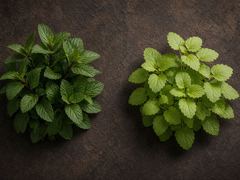
Pairing 01 / 08 · Cool aroma · citrus lift

Peppermint + Lemon Balm

Sensory character

Peppermint brings a recognizable menthol character and a cooling sensation; lemon balm adds a lemon-scented herbal note without the acidity of lemon juice. Together they make a contrast between cool and fragrant rather than simply “two calming herbs.”

Comparison for the research notebook

Compare each leaf separately before preparing the combination. Note cooling sensation, perceived sweetness, lemon-like aroma and any bitterness as separate observations. Try a second infusion to see which character fades first. These are tasting prompts for authenticated culinary materials, not prescribed medicinal quantities.

Tradition and attribution

Both leaves appear in European herbal and household beverage histories, but this exact ratio and formulation is a modern sensory proposal, not a documented inherited ceremony.

Responsible-use note

Peppermint leaf can aggravate reflux or heartburn in some people; “digestive” does not mean suitable for every stomach. Distinguish the leaf from peppermint essential oil or enteric-coated oil capsules.

Ritual cue · original InfiniTea interpretation

Before taking a sip, notice the first aroma above the cup. After it cools, notice which note remains; use that difference as the reflection.

Supporting references: EMA · Peppermint leaf ↗ · EMA · Melissa leaf ↗

Explore the complete botanical research
Pairing 02 / 08 · Warm spice · bright acidity

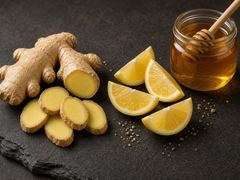
Ginger + Lemon · optional honey

Sensory character

Ginger offers aromatic pungency and a lingering warmth. Lemon contributes two different possibilities: zest adds fragrant citrus oils, while juice contributes sharp acidity. Optional honey changes sweetness and mouthfeel; it is a serving addition, not a botanical folio in the Grimoire.

Comparison for the research notebook

Compare ginger with lemon zest alone, then, with food-safe ingredients, note how a separate addition of lemon juice changes the same cup. Record temperature and aroma separately from sourness. The version using fresh ginger need not taste like one using dried chips.

Tradition and attribution

Ginger and citrus have broad culinary histories, but there is no single culture-wide recipe or sacred ritual established for this exact combination. Do not attribute the optional honey finish to a specific tradition without documentation.

Responsible-use note

Ginger may cause heartburn or oral irritation in some people, particularly in larger amounts. Citrus acidity can affect tooth enamel with frequent exposure. Evidence from ginger supplement trials does not transfer directly to an infusion.

Ritual cue · original InfiniTea interpretation

Hold the lemon near the cup and notice the difference between the aroma of its peel and the warmth rising from the ginger; let the two remain distinct.

Supporting references: NCCIH · Ginger ↗ · Oxford · Citrus limon ↗

Explore the complete botanical research
Pairing 03 / 08 · Apple-like floral · aromatic accent

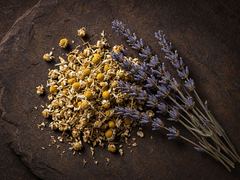
Chamomile + Lavender

Sensory character

Chamomile can supply soft, apple-associated floral notes, while a small lavender accent contributes a more recognizable perfumed character. The amount of lavender and the actual chamomile species profoundly change how the pairing reads in a cup.

Comparison for the research notebook

Smell both food-grade flowers dry, then separately after warm water has opened their aromas. Compare the blend with and without lavender; judge whether it complements or overwhelms chamomile. Use the supplier’s species identification, not the fragrance, to distinguish German from Roman chamomile.

Tradition and attribution

Both plants have documented European herb and garden histories. This juxtaposition is an InfiniTea sensory study, not proof of a historical fixed formula or clinically demonstrated sleep effect.

Responsible-use note

Chamomile belongs to the daisy family and can cause allergic reactions, especially for people sensitive to related plants. Culinary lavender buds are not interchangeable with concentrated essential oil or proprietary oral lavender products.

Ritual cue · original InfiniTea interpretation

Notice the cup before looking at your notes. Which aroma arrives first and which stays afterward? Give each a different descriptive word.

Supporting references: NCCIH · Chamomile ↗ · NCCIH · Lavender ↗

Explore the complete botanical research
Pairing 04 / 08 · Clove-like herbal spice · warming edge

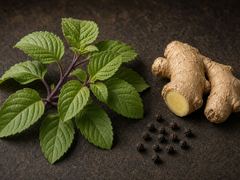
Tulsi + Ginger or Black Pepper

Sensory character

Tulsi may bring clove-like, peppery, green notes depending on the cultivated material. Ginger contributes a different kind of warm pungency; culinary black pepper adds a more concentrated bite. “Ginger or pepper” describes two experiments, not one canonical formula.

Comparison for the research notebook

Prepare a labeled tulsi leaf sample on its own. Compare that reference first with ginger and then separately with a modest culinary pepper accent; note which spice changes fragrance versus lingering pungency. Avoid treating isolated piperine studies as evidence about a few peppercorns.

Tradition and attribution

Tulsi has particular devotional importance within Hindu traditions. That sacred history belongs to named communities; it does not automatically make a house spice blend a traditional Ayurvedic preparation.

Responsible-use note

Confirm Ocimum tenuiflorum rather than sweet basil. Tulsi supplementation raises pregnancy and medication questions, and concentrated pepper extracts differ from culinary pepper. A private tasting exercise is not a therapeutic recipe.

Ritual cue · original InfiniTea interpretation

Observe which ingredient you notice first without naming one “stronger.” Consider how distinct presences can share a cup without losing their character.

Supporting references: Tulsi · Species authentication review ↗ · NCCIH · Ginger ↗

Explore the complete botanical research
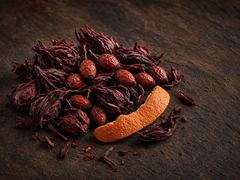
Pairing 05 / 08 · Ruby tartness · fruit or zest contrast

Roselle + Rosehips or Orange Peel

Sensory character

Roselle’s edible calyces often produce a striking red liquor and a tart profile. Rosehips can add a fruit-like tartness of their own; orange peel supplies aroma with potentially bitter pith. Two variants allow the same red base to tell different sensory stories.

Comparison for the research notebook

Examine the roselle calyces, rosehip cut, and citrus peel separately. Compare the color of roselle alone with each alternative after preparing them safely. Note acidity, body, bitterness and aroma rather than using red intensity as a measure of nutrition or benefit.

Tradition and attribution

Agua de Jamaica is a documented Mexican culinary beverage featuring roselle calyces. Adding rosehips or orange peel here is a proposed variation; it should not be represented as a standard Mexican tradition.

Responsible-use note

Identify edible roselle calyces, not unspecified ornamental hibiscus. Rosehip internal hairs call for suitable cleaned material and filtration. Citrus peel requires food-grade postharvest handling.

Ritual cue · original InfiniTea interpretation

Watch the red deepen in clear glass. Describe one color change and one aroma note without turning either into a medical claim.

Supporting references: UTSA · Agua de Jamaica ↗ · Oxford · Dog rose ↗

Explore the complete botanical research
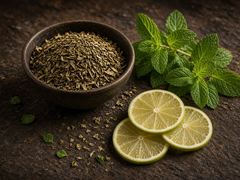
Pairing 06 / 08 · Grassy bitterness · refreshing lift

Yerba Mate + Mint or Citrus

Sensory character

Yerba mate combines leafy, woody, bitter or smoky impressions depending on processing and extraction. Mint can contribute a fresh aromatic contrast, while citrus peel shifts the perceived brightness. Repeated infusions are part of the sensory story, and flavor is not the same as measured caffeine or contaminant exposure.

Comparison for the research notebook

Compare authenticated smoke-contact and non-smoked mate if available, then evaluate a plain sample against a mint or citrus variation. Record each infusion’s appearance and aroma and note the drink’s temperature. Distinguish a freshly prepared cold drink from an unvalidated stored cold-brew product.

Tradition and attribution

Mate and Paraguayan tereré are living regional practices, including specific Guaraní heritage documented by UNESCO. An optional mint or citrus house pairing is not, by itself, the UNESCO-recognized pohã ñana practice.

Responsible-use note

Mate contains caffeine; total exposure depends on leaf, water, and repeated refills. Avoid very hot consumption, and consider processing-related PAH concerns independently of drink temperature. Unverified cold-brew storage is not an established safe process.

Ritual cue · original InfiniTea interpretation

Compare the aroma at the first pour and after a refill. Let the later impression stand beside the first instead of choosing a winner.

Supporting references: UNESCO · Tereré and pohã ñana ↗ · IARC · Very hot beverages ↗

Explore the complete botanical research
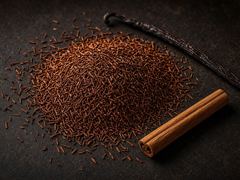
Pairing 07 / 08 · Woody-soft base · warm sweet aromatics

Rooibos + Cinnamon or Vanilla

Sensory character

Rooibos contributes a mild, woodsy, naturally caffeine-free botanical base. Cinnamon offers a recognizable spicy sweetness without necessarily adding sugar; vanilla contributes a soft, round aroma. Compare each accent independently to understand which one shapes the finish.

Comparison for the research notebook

Prepare plain rooibos as a reference, then compare a cinnamon-accented and a vanilla-accented version with identical rooibos material. Record aroma first, followed by the aftertaste; do not infer the presence of sugar simply because a cup smells sweet.

Tradition and attribution

Rooibos has a specific South African cultural and agricultural history, including San and Khoi traditional knowledge and a documented benefit-sharing agreement. Cinnamon-vanilla flavor pairings belong to contemporary blending unless a particular tradition is sourced.

Responsible-use note

Cinnamon species matters when assessing repeated coumarin exposure: cassia is not identical to Ceylon cinnamon. Vanilla culinary pods or food-grade extract are different materials from aromatic fragrance products. Caffeine-free refers to plain rooibos, not any unspecified mixed product.

Ritual cue · original InfiniTea interpretation

Notice whether the cup feels sweet before any sweetener is added. Write one word for aroma and a different one for what you actually taste.

Supporting references: South African government · Rooibos benefit sharing ↗ · BfR · Coumarin and cinnamon ↗

Explore the complete botanical research
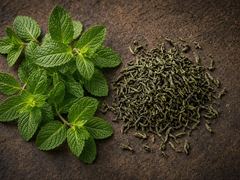
Pairing 08 / 08 · Mint brightness · green-tea backbone

Spearmint + Green Tea

Sensory character

Green tea supplies a vegetal, roasted or brisk base depending on its processing; spearmint brings a sweeter, softer mint impression than peppermint. The resulting cup depends as much on the tea grade and service as on the mint itself.

Comparison for the research notebook

Explore the green tea without additions first. In a separate household-style comparison, note how spearmint changes fragrance and how sweetening alters perceived bitterness. Observe how tightly rolled tea unfurls; avoid claiming any one ratio is the Moroccan national standard.

Tradition and attribution

Moroccan atay is a living hospitality tradition involving green tea, mint and often sugar. The ceremony and regional variations should be credited to Moroccan communities, not rebranded as an original InfiniTea ritual.

Responsible-use note

Green tea contains caffeine in variable amounts, including white and black styles from the same species. Leaf tea and concentrated green-tea extract have different safety profiles; take account of the complete beverage and its serving temperature.

Ritual cue · original InfiniTea interpretation

Notice the moment when the tea’s initial aroma gives way to the mint. Consider how welcome can be expressed through attention rather than a fixed script.

Supporting references: Morocco Tourism · Tea and its ceremony ↗ · NCCIH · Green tea ↗

Explore the complete botanical research

What these notes do not establish

The presence of two plants in the same cup does not demonstrate a synergistic pharmacological effect. Herbal history, modern retail flavor practice, and clinical trials are different forms of evidence. Avoid combining plant-part claims, oil or extract claims, and food-infusion claims as if they were interchangeable.

Before actual product development: verify species and plant part against a supplier lot; check contraindications and relevant medicines; distinguish boiling-water infusions from untreated cold steeping; document intended serving and repeated use; assess microbial and chemical hazards for the finished process. Keep cultural attribution and commercial marketing review separate from these preliminary sensory notes.

The Tea Ceremonies & Living Traditions chapter describes practices on their own terms; the Research & Documentation chapter records the limits of the literature review.